
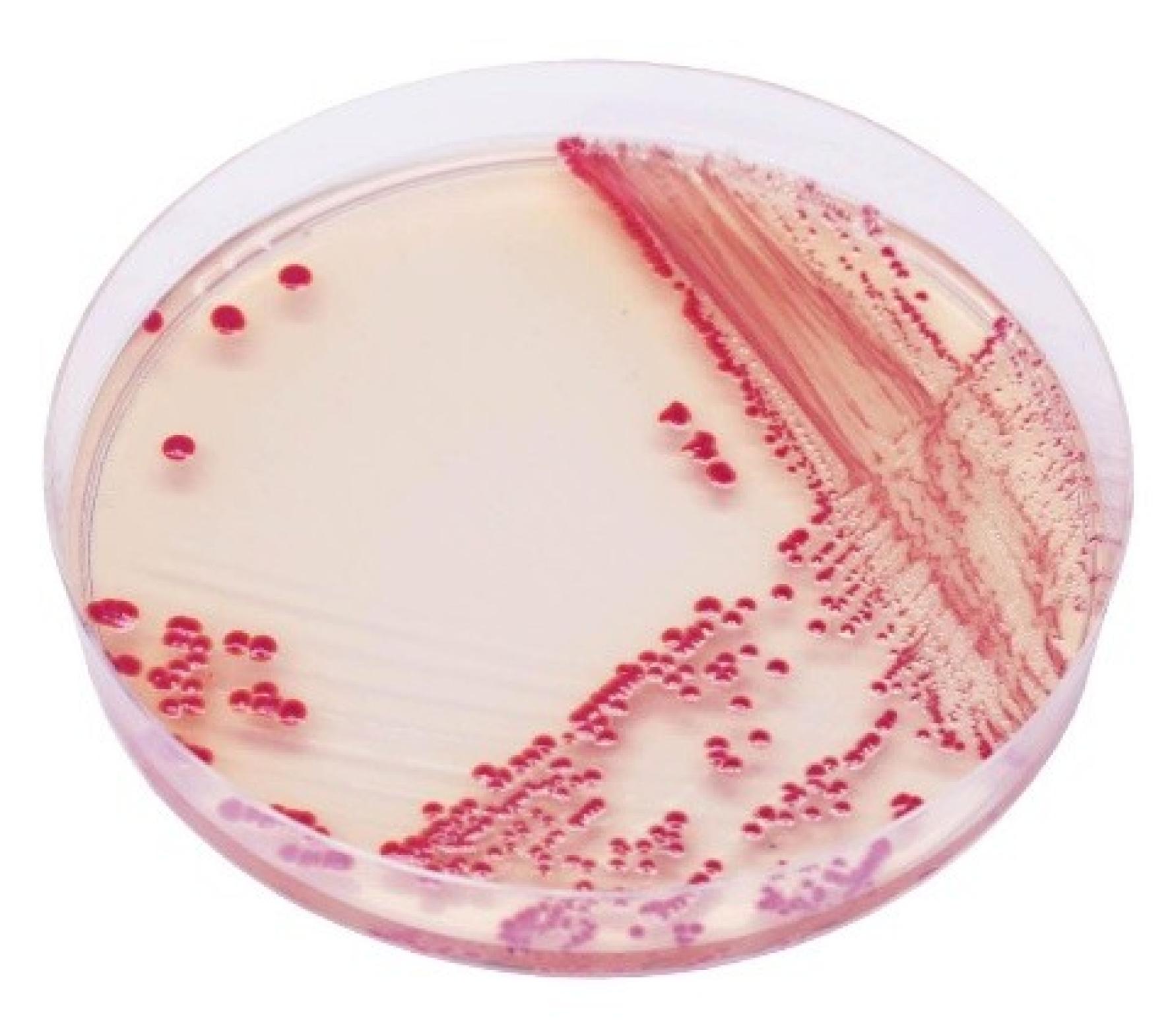
Acinetobacter bacteria in ICU
Prepared by: Avesta soran Rozh youns Hanasa rebaz Ramin barzan Merko baqi Azar salar
KTI
Acinetobacter bacteria are a type of opportunistic dangerous bacteria. This bacteria is widespread in hospital environments, particularly in the Intensive Care Unit (ICU). Due to its high antibiotic resistance, it is considered one of the most serious health threats of the present time.
2. Scientific characteristics:
• Type of bacteria: Gram-negative.
• Shape: Short and coccobacillus.
• Habitat: Found in soil and water and can persist for a long time on dry surfaces such as monitors and medical equipment.
3. Why is it dangerous in the ICU?
This bacteria has several traits that make functioning in the ICU difficult:
• Antibiotic Resistance: It has a high ability to resist the effects of most antibiotics.
• Biofilm formation: It creates a protective layer around itself that prevents disinfectants from working effectively.
• Rapid transmission: Due to contact from hands or medical instruments, it quickly spreads from one patient to another.
. The most important complications it causes:
1. Lung infection: particularly in patients on mechanical ventilation.
2. Blood infection: which can cause overall patient deterioration.
3. Brain infection: especially those that occur after surgery.
5. The role of nurses and healthcare staff in self-protection:
• Hand hygiene: the most important step to prevent the spread of bacteria.
• Cleaning equipment: using strong chemical agents to clean equipment and patient areas.
• Isolation: placing infected patients in a special room and using gloves and masks when interacting with them.
6. Pharmaceutical treatment:
Due to its severe nature, doctors are forced to use drugs considered \'last-resort\', such as Colistin and Carbapenems, often requiring the use of two types of drugs together for effective results.